Your mining operations move fast and without the right technology, risk increases due to aging equipment, fragmented maintenance processes and geographically dispersed sites. When assets fail you face safety incidents, unplanned downtime, regulatory exposure and lost production. In fact, downtime on a single conveyor belt alone, for example, can run you between $6 to $12 million.
Still, too many mining organizations keep relying on disconnected systems, manual workarounds or site-specific processes that can detract from the full picture. And managing heavy equipment, particularly across multiple sites, means maintenance serves as a critical driver of your operational resilience. What you need is real-time visibility into asset health, standardized workflows that can scale across sites and auditable records to support regulatory compliance.
To extend asset life and manage the demands of modern mining maintenance you must keep data, people and processes connected. This article explores what’s driving the need to modernize maintenance in the industry as well as critical challenges and trends shaping how this gets done. Keep reading for key best practices to help you leverage new technologies to elevate mining maintenance for your organization.
Related Read: 8 Reasons to Go Mobile with Maintenance Connection | Accruent
Why the Mining Industry Needs Maintenance Modernization Now
Safety expectations, economic pressures and workforce realities are converging, making it harder to maintain reliability with manual processes and fragmented systems. The following factors pose immediate constraints on uptime, compliance and operational resilience.
- Modernization in a Safety-First Culture: Digital adoption may be increasing but change in safety-first environments can be slow moving. Maintenance technology must prove it can enhance compliance and reliability quickly.
- Maximizing Uptime Amid Economic Volatility: Fluctuations in commodity prices amplify the financial impact of unplanned downtime. Preventive maintenance and optimized asset utilization are critical to controlling operational risk.
- Workforce Challenges and Knowledge Loss: The workforce in mining is aging, putting institutional knowledge at risk. New hires and contractors need to onboard fast without increasing safety exposure or using informal/inconsistent training.
4 Critical Maintenance Challenges in Multi-Site Mining Operations
Maintenance needs in any industry come with obstacles. Here are four you may be experiencing in your mining facilities:
- Fragmented Systems and Siloed Data Across Sites: Mining operations often run multiple systems for maintenance, safety and compliance. Little integration creates data silos so it’s tough to share critical information and enforce consistent standards.
- Lost Documentation Leading to Downtime and Compliance Risks: Missing or outdated manuals, inspection records and safety documents cause delays in repairs and increase the risk of non-compliance with strict regulatory requirements.
- Limited Visibility into Contractor Workflows: Contractors play a key role in maintenance, but without centralized tracking, it’s a struggle to monitor tasks, verify credentials and ensure adherence to safety protocols—especially across remote sites.
- Burdensome Change Management and Training: Introducing new digital tools requires retraining staff and contractors. The added workload, in addition to safety concerns and the complexity of mining environments, creates resistance to change.
The Lack of Modernization Directly Impacts Maintenance Performance
If your current maintenance systems can’t keep pace with the realities of multi-site mining operations, consequences show up fast. Risk can compound across operations in the following ways:
- Poor document control leads to downtime costs and safety risks, a major drawback in an industry where every hour of downtime can carry heavy costs in lost production and expose teams to compliance violations.
- Inefficiencies in scheduling and resource allocation causes maintenance teams to struggle in coordinating tasks across sites, leading to duplicate work, missed preventive maintenance and inefficient use of labor and spare parts.
- Compliance gaps lead to operational risk, especially if records are scattered or incomplete, leaving you to face fines, reputational damage and shutdowns, while safety culture and operational reliability are undermined.
4 Market Trends Shaping the Future of Maintenance in Mining
The pressures you face are all a part of broader industry shifts dictating how operations are regulated, managed and scaled. As expectations rise around safety, transparency and efficiency, you’re being pushed to modernize your maintenance practices in ways that can support compliance and performance in tandem. These four trends are playing an active role in defining what “good” maintenance looks like across multi-site mining operations.
- Increase in Regulatory Pressures: Mining companies like yours face stricter environmental, safety and operational compliance requirements globally. Audits are more frequent, and penalties for non-compliance are severe, making accurate documentation and traceability essential.
- The Push for Remote Site Management: Mines are often in remote regions, which means you need to invest in tools that enable centralized oversight and remote monitoring. This reduces travel costs, improves response times and supports real-time decision-making.
- Digital Transformation in Asset Management: The industry is gradually shifting from manual processes to digital platforms for maintenance planning, asset tracking and compliance management. Adoption is slow due to safety concerns and change management challenges, but the trend is accelerating.
- The Growing Need for Centralized, Standard Information: Multi-site operations struggle with inconsistent processes and siloed data. Standardization ensures uniform safety practices, faster access to critical records and improved collaboration across sites and contractors.
Related Read: Seamless Data Access: The Key to Transforming Maintenance Intelligence
3 Best Practices for Getting Mining Maintenance Right
Adoption of digital asset management solutions is expected to reach $10.3 billion by 2029. But modernization takes more than replacing manual or paper processes with digital ones. There needs to be consistency in how work is planned, documented and executed, without adding any complexity for field teams to address. The following best practices focus on centralized systems that improve visibility, standardize workflows and enable better decision making.
1. Use a Centralized CMMS as Your Maintenance Hub
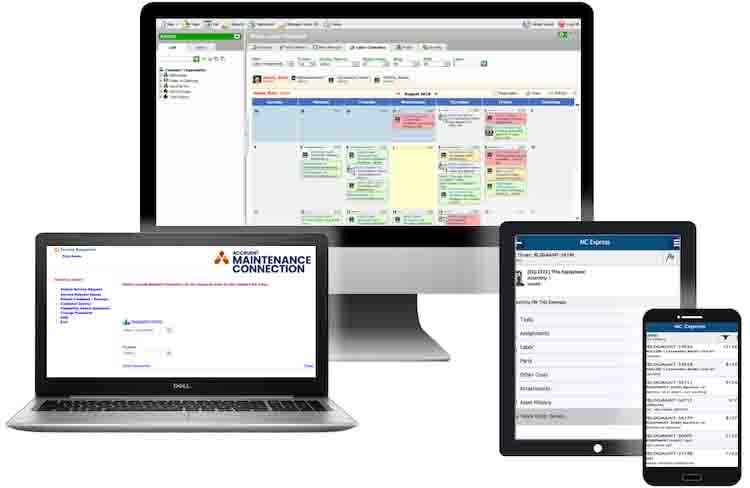
A computerized maintenance management system (CMMS), such as Accruent Maintenance Connection , can provide the operational hub you need for maintenance records. Everything from work orders to inspection logs to safety manuals. Integrating your CMMS with an engineering document management system (EDMS) like Accruent RedEye or Meridian solutions creates a combined approach that eliminates inconsistencies and ensures compliance-critical information is accessible wherever it is needed.
Integrated CMMS solutions typically also have robust mobile capabilities so technicians and contractors can retrieve up-to-date information instantly, reducing downtime and improving safety. Equipped with a centralized dashboard, you can monitor maintenance tasks, approvals, and compliance status across multiple sites.
2. Extend Value Through an EAM Integrated Solution
Linking a CMMS system with broader enterprise asset management (EAM) capabilities helps to consolidate asset data, maintenance histories and compliance records into a single ecosystem. For instance, Accruent’s EAM platform seamlessly integrates Maintenance Connection with RedEye or Meridian and Accruent Observe IoT, creating one unified operational environment, streamlining asset documentation and monitoring capabilities, which are critical for mining sites that are geographically spread out.
Accruent Observe IoT can add real-time equipment health monitoring and predictive maintenance capabilities, helping your teams anticipate potential failures to get ahead of them, while optimizing uptime without even needing to be on site.
Related Read: Accruent EAM + IoT Suite Transforming Asset management for Enhanced Efficiency and Compliance
3. Manage Change in a Safety-First Environment
As with any tech adoption, you need training programs uniquely tailored to accommodate safety-first environments. The focus needs to be on practical, role-based training that emphasizes how digital tools can enhance safety and compliance, not compromise it.
Incremental approaches to adoption are also highly valuable as it helps reduce resistance from teams. Roll out new solutions in phases, starting with the most high-impact areas such as document control and preventive maintenance. This helps build confidence early and minimize disruptions during the entirety of your rollout.
Start Building a Safer, More Resilient Mining Operation
The goal with bringing your maintenance approach into the digital era centers on building a safer and more compliant operation. Adopting a centralized and integrated asset management system can help you standardize workflows, improve visibility and ensure consistent safety practices.
An EAM-led ecosystem sets the foundation for improving uptime costs, reducing downtime costs, strengthening your workforce resilience and maintaining compliance. With this approach you can navigate challenges, optimize resources and drive more long-term operational success.
If you’re ready to transform your mining operations and remain competitive in the ever-evolving mining industry, request a demo today.
.svg)



.jpg)