What Is Building Maintenance Software?
Building maintenance software is the first step that will help maintenance professionals become more organized and operate more efficiently. It centralizes maintenance operations by giving teams the tools to schedule, track and manage everything from routine inspections to emergency repairs — all in one place.
Building facilities maintenance managers must juggle a lot as they manage maintenance requests from employees within the building while maintaining a proactive preventive maintenance schedule to keep equipment up and running. Whether you have a multi-site organization or a small building to manage, a Computerized Maintenance Management System (CMMS) can help you manage work order, track labor and inventory costs for each job, then run system reports to see how much you are spending on any particular area of the organization or type of job.
Accruent offers FAMIS 360, a simple, easy-to-use building facilities maintenance application designed to help your building operate much more efficiently and deliver a much higher level of service. The software allows the people in your organization to request maintenance and track requests as they are completed. Keeping track of work order history for equipment and general maintenance costs (labor and parts) will lead to a reduction of the total cost of maintenance for your organization.
Key Features of Building Maintenance Software
Building maintenance management software brings all essential tools under one platform, making managing facilities easier. The software simplifies maintenance operations for improved decision-making, from tracking assets to automating work orders.
Here are key features that make it indispensable for modern organizations:
-
Comprehensive Asset Management: Know the status of every asset at any time. Track and manage building systems, equipment and infrastructure in real-time.
-
Work Order Automation: Less manual work, more streamlined processes. Automate creating, assigning, and tracking work orders to complete tasks on time. This feature helps maintenance teams stay organized and responsive.
-
Preventive and Predictive Maintenance: Stop problems before they happen. Schedule routine maintenance to keep equipment in top condition and use preventive maintenance and predictive maintenance tools to identify potential failures before they disrupt operations.
-
Data Analytics and Reporting: Turn insights into action. Access detailed reports on asset performance, maintenance trends, and operational efficiency.
-
Scalability: Built to grow with operations. Whether managing a single facility or multiple campuses, the software adapts to the scale and complexity of an organization.
For more information on how CMMS can transform building maintenance, schedule a demo today.
Benefits of Using Building Maintenance Management Software
Building maintenance management software provides accurate, measurable advantages by addressing common challenges in facility operations. It simplifies workflows, reduces costs, and improves performance, which is why it’s an essential tool for modern organizations.
Streamlined Workflows
Remove inefficiencies from daily operations. Automated work orders and task assignments help teams stay organized and improve coordination. For example, maintenance teams respond faster to urgent requests. This reduces downtime and allows critical repairs to be addressed promptly.
Cost Savings
Spend less by working smarter. Better planning and preventive maintenance reduce the need for costly emergency repairs. Facilities with centralized software can allocate resources more effectively, which prevents unnecessary expense and downtime.
Improved Asset Performance
Protect valuable equipment. Consistent maintenance schedules extend the lifecycle of assets and improve inventory management. For instance, regularly scheduled upkeep of HVAC systems or machinery keeps performance high and reduces the risk of breakdowns.
Regulatory Compliance
Simplify documentation and meet standards. Built-in tracking and reporting tools prepare teams for audits and help maintain compliance with industry regulations. This reduces administrative strain while confirming records are always up to date.
Real-Time Data Access
Make better decisions with live updates. Dashboards and reports provide instant visibility into asset performance, work orders, and resource allocation. This enables facility managers to proactively identify trends, address issues, and optimize their operations.
What Can Building Maintenance Software Manage?
Building maintenance management software enables facility managers to set preventive maintenance schedules and standard operating procedures across a wide range of assets and infrastructure:
Building & Infrastructure
- What it covers: Multi-story buildings, parking garages, boiler rooms, electrical systems, and circuit breakers — all of which require routine inspections and scheduled upkeep to stay safe and operational.
- How software helps: Automates preventive, corrective and predictive maintenance processes, allowing facility managers to handle more work requests, reduce downtime and stay audit-ready without straining resources.
Utilities & Systems
- What it covers: HVAC units, plumbing, lighting, fire extinguishers, and data/telecom systems — the essential services that keep a building comfortable, connected, and compliant.
- How software helps: Tracks asset health and usage over time through centralized reporting and dashboards, helping managers monitor utility consumption, identify issues early, and ensure systems meet compliance requirements.
Access & Security
- What it covers: Elevators, doors and locks, computer systems, and vandalism-related repairs — areas where unplanned downtime creates immediate safety, security, and liability concerns.
- How software helps: Centralizes work order tracking and maintenance history across all access and security assets, with built-in compliance management to ensure facilities meet government reporting and safety audit requirements.
Mobile & Mechanical Assets
- What it covers: Equipment and vehicles tied to day-to-day building operations, each with their own service intervals and usage cycles that need to be tracked and managed.
- How software helps: Manages and analyzes assets across their full lifecycle by tracking warranty, reactive and preventive maintenance activities and life expectancy to maximize asset ROI and prevent unplanned shutdowns.
Which Industries Benefit from Building Maintenance Software?
Resorts & Hotels
Facility managers at hotels and resorts have the constant goal of providing a positive guest experience. To achieve this, top-notch customer service levels must be supported behind the scenes with an organized facilities management plan that monitors equipment health and avoids downtime.
No matter the number of buildings, floors, rooms or equipment across the resort or hotel, facility managers turn to building maintenance software to:
- Track work requests.
- Reduce maintenance and inventory costs.
- Extend asset life and improve asset tracking.
- Maintain a clean, efficient environment.
- Improve labor productivity.
- Implement preventive maintenance.
- Provide the highest level of customer service.
Retail
A clean, organized store is the utmost importance for retail facility managers. To make it happen, facility managers must prioritize uptime and inventory management.
Retail facility managers depend on building maintenance management software for work order tracking, inventory management and preventive maintenance schedules. Using building maintenance software, retail facility managers can implement preventive maintenance on assets like:
- Carpet
- Chains/ multiple locations
- Ceiling fans
- Computers
- Exterior finish
- POS machines
- Windows and glass
Higher Education
Higher education institutions operate off of a number of IT assets like computers, software, network hubs and labs. When downtime occurs, issues with class schedules and on-campus living arise.
Using building maintenance software, facility managers and maintenance technicians can prevent asset downtime before a breakdown even occurs. The CMMS runs preventive maintenance schedules on areas across the college campus like:
- Administrative offices
- Athletic fields
- Classrooms
- Dining halls
- Dormitories
- Labs
- Libraries
- Parking lots
- Theaters
Corporate Building Maintenance & Management
To keep corporate teams satisfied, building managers have the challenging tasks of maintaining asset uptime and handling multiple work order requests. With numerous floors, wings, departments and service requesters, work orders may get lost in the shuffle, which results in more asset downtime and reduced tenant satisfaction.
Building managers turn to building maintenance software to diminish asset downtime and organize work orders. Using preventive maintenance, building managers can service assets like:
- Boiler rooms
- Circuit breakers
- Computer systems
- Doors and locks
- HVAC units
- Lighting
- Plumbing
- Parking garages
- Vehicles
Data & Communication Centers
When it comes to mission critical assets and service lines, such as phone, cable, internet, servers and generators, uptime is the main goal for data center facility management. When emergency downtime occurs, response times and customer satisfaction plummets.
Facility managers at communication and data centers rely on building maintenance software to:
- Calculate and estimate overall property maintenance costs.
- Minimize replacement costs.
- Perform scheduled preventive maintenance on most expensive equipment.
- Track maintenance on assets like server racks, towers, switchboards and more.
Breweries
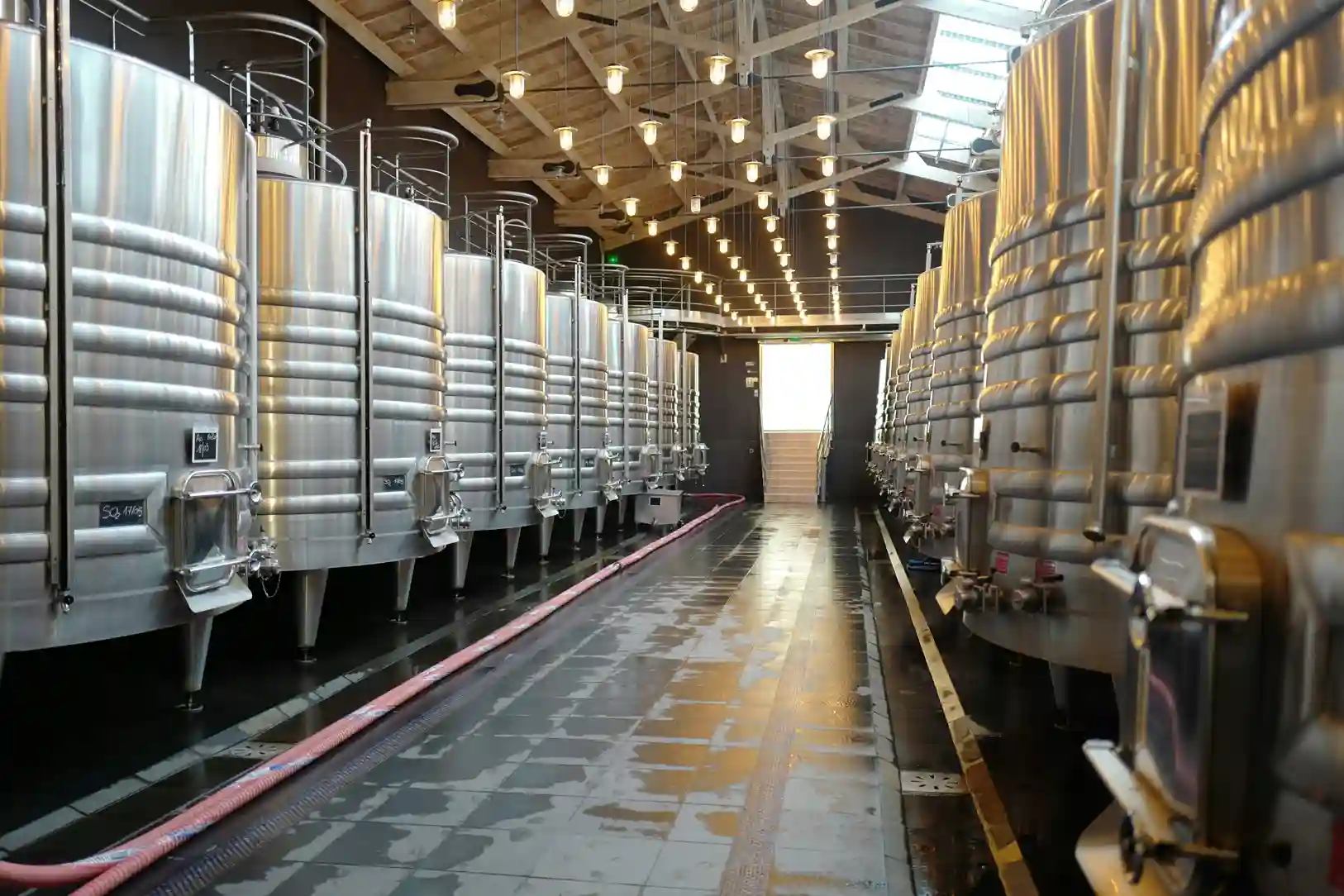
Breweries depend on maintenance strategy to keep production schedules on time and assets in working order to avoid spoiled products. Facility managers and maintenance technicians at breweries turn to building maintenance software for features to:
- Extend asset life.
- Minimize investments on inventory and costly downtime.
- Lower overall maintenance overtime hours.
- Prevent breakdowns before they happen.
- Accurately schedule upcoming maintenance procedures.
- Track overall maintenance budgets.
Athletic Clubs
Customer satisfaction at an athletic club is heavily dependent on which machines are in a usable condition. Facility managers and maintenance technicians use building maintenance software to help keep machines in-use, reduce unplanned maintenance costs and track equipment.
With building maintenance software, facility managers at athletic clubs can implement preventive maintenance on assets like:
- Cardio equipment
- Computers
- Diving boards
- Exercise bikes
- Free weights
- Locker rooms
- Lounge areas
- Restrooms
- Tennis courts
Sports Arenas
Maintenance teams at sports arenas are responsible for maintaining a clean, safe environment that delivers a quality entertainment experience. With large amounts of seats, restrooms, concession areas and walkways in a sports arena, a solid maintenance strategy keeps assets organized, equipment in stock, and multiple teams aligned.
Facility managers and maintenance technicians use building maintenance software to track equipment health and implement preventative maintenance on assets like:
- Grounds maintenance
- Ice skating rinks
- Landscaped areas
- Restaurants
- Scoreboards
- Snack bars
- Sound systems
- Walls and hallways
Amusement Parks & Zoos
Behind every clean and safe amusement park or zoo is likely a solid maintenance strategy. Proper maintenance activity across rides or exhibits is imperative for visitor satisfaction and safety.
Facilities managers at amusement parks and zoos rely on Maintenance Connection’s CMMS to track maintenance costs, extend asset life and prevent breakdowns before they happen. Using the CMMS’s preventive maintenance features, managers can prevent breakdowns and extend asset life on:
- Amusement rides
- Animal cages
- Arcade games
- Bungee jumps
- Landscape
- Rollercoasters
- Water rides
- Waterfalls / Rivers
Casinos
Customer satisfaction is of the utmost important across casinos. When downtime occurs, operations are interrupted, and customer satisfaction plummets. Facility managers at casinos turn to building maintenance software to improve operations to:
- Streamline the work order process.
- Cut down on paper-based work orders.
- Improve technician response times.
- Reduce overall maintenance costs.
- Lower the amount of technician overtime hours.
- Diminish asset downtime.
- Prevent breakdowns before they happen.
- Increase technician mobility.
- Improve maintenance operations.
Aviation / Airport
The maintenance team at an airport is responsible for maintaining a clean, safe environment for passengers and carriers. Maintenance professionals turn to building maintenance software to keep airport and aircraft assets working, and operations as streamlined as possible.
Airport facilities use building maintenance software to:
- Extend critical asset life.
- Track overall maintenance costs.
- Pinpoint the root cause of common problems.
- Make operations more efficient.
- Streamline communication.
- Minimize inventory investments.
- Prevent downtime before it occurs.
Managing building maintenance across assets, teams, and locations is complex — and generic tools simply aren't built for it. FAMIS 360, Accruent's purpose-built facility management software, gives facility managers everything they need to move from reactive maintenance to a proactive, data-driven operation.
FAMIS 360 centralizes maintenance, space planning, and energy management in one unified platform. Whether you're managing a single building or a multi-site portfolio, FAMIS 360 scales to meet your operational needs without straining your resources.
With FAMIS 360, facility managers can:
- Automate preventive, corrective, and predictive maintenance processes to reduce downtime and handle more work requests
- Create, assign, and track work orders in one centralized system with full visibility into labor, parts, schedules, and budgets
- Manage and analyze assets across their full lifecycle to maximize ROI and prevent unplanned shutdowns
- Stay compliant with government reporting, indirect cost audits, and sustainability requirements through centralized documentation
- Access real-time reporting and dashboards to make informed, data-driven maintenance decisions across your entire portfolio
- Integrate seamlessly with finance, HR, capital planning, and other third-party systems to break down data silos across your organization
See FAMIS 360 in Action
Ready to take control of your building maintenance operations? Request a demo or connect with our team to explore how Accruent FAMIS 360 can work for your facility.
.svg)