Book a Demo
Products Overview
Explore Interactive Product Demos
Industries Overview
Explore Interactive Product Demos

Self-Service & Support

Looking for self‑service training, best practices, helpful videos, product resources, or support? You’re in the right place.

About Accruent

Get the latest information on Accruent, our solutions, events, and the company at large.

Maintenance Tracking Software: What It Is and How To Choose

Maintenance tracking software helps minimize downtime, extend equipment lifespans, and boost efficiency. This article outlines key factors to consider and the major benefits of implementing the right solution.

January 2, 2025
2 min read

Equipment downtime can disrupt operations, increase costs, and shorten asset lifespan when maintenance issues are not identified and addressed in time. Maintenance tracking software helps organizations address these challenges by centralizing maintenance data and improving visibility into asset performance.

This article explains what maintenance tracking software is, how it works and the key factors to evaluate when selecting the right software for your organization.

What is Maintenance Tracking Software?

Maintenance tracking software is a digital system that helps organizations track, manage, and optimize maintenance activities, including work orders, asset tracking and preventive maintenance schedules. By integrating these functionalities, the software improves maintenance processes, minimizes downtime, and extends equipment lifespans.

Examples of maintenance tracking software include computerized maintenance management system (CMMS) and maintenance management platforms such as Accruent Maintenance Connection, which supports work orders, asset tracking, preventive maintenance, reporting and mobile access, as well as FAMIS 360, which centralizes maintenance and facility operations. Accruent offers maintenance tracking software through these tools to help organizations manage maintenance more effectively across assets, equipment and facilities.

How Does Maintenance Tracking Software Work?

Maintenance tracking software works by centralizing asset, work order, and maintenance data into a single system, allowing teams to plan, execute, and monitor maintenance activities more efficiently. Instead of relying on manual tracking or disconnected tools, organizations can manage maintenance workflows in real time with better visibility and control.

A typical process includes:

  • Centralizing asset data: All equipment, asset details, and maintenance history are stored in one place, giving teams a complete view of asset performance and condition.
  • Creating and managing work orders: Maintenance teams can generate, assign, and track work orders, ensuring tasks are completed on time and nothing is overlooked.
  • Scheduling preventive maintenance: Preventive maintenance tasks are automated based on time, usage, or condition, helping reduce unexpected failures and downtime.
  • Tracking maintenance activities in real-time: Teams can monitor task progress, technician activity, and asset status through dashboards and mobile access.
  • Analyzing performance and improving operations: Built-in reporting and analytics provide insights into maintenance trends, costs, and asset reliability, helping organizations optimize their maintenance strategy.
Track Maintenance with Confidence

Optimize equipment uptime with easy-to-use tracking tools.

See it in action

What is Maintenance Tracking Software Used For?

These are several significant benefits to implementing maintenance tracking software.

Improve Equipment Reliability

Maintenance tracking software avoids downtime through timely maintenance. Regular upkeep extends the machinery's lifespan and minimizes the risk of equipment failure and production delays. By scheduling preventive maintenance, the software keeps equipment ahead of potential problems, improving reliability and performance.

Enhance Operational Efficiency

Maintenance tracking software streamlines maintenance processes with automated scheduling and work order management. It facilitates real-time tracking and reporting, which means better decision-making. The software also improves resource allocation and inventory management, completing maintenance tasks without unnecessary delays.

Control Cost

Maintenance tracking software lowers maintenance costs by preventing significant breakdowns and costly repairs. It also reduces labor costs by scheduling and tracking maintenance tasks, ensuring teams use resources effectively. Such efficiency increases the overall return on investment by helping manage assets effectively and reducing the need for frequent replacements.

Ensure Regulatory Compliance and Safety

Preventive maintenance software helps companies adhere to industry standards and regulatory requirements. Maintaining comprehensive records for audits and inspections improves workplace safety by promptly addressing potential hazards. Doing so ensures that equipment maintenance complies with regulations and creates a safer working environment. 

How to Choose the Best Maintenance Tracking Software: 8 Factors to Consider

When selecting maintenance management software, evaluate these key elements to ensure the solution meets your specific operational needs and enhances overall efficiency.

1. User-Friendly Interface

Ease of use is vital. Look for features like intuitive navigation, clear layouts, and customizable dashboards. A simple interface reduces training time, increases user adoption, and allows all team members to learn and efficiently use the system quickly.

2. Integration Capabilities

Seamless integration with existing systems, such as ERP and inventory management, is essential for creating data consistency and streamlining operations. Evaluate the software's ability to connect with current tools. Reduce data entry and minimize errors to improve the overall workflow.

3. Customization Options

Every company has unique needs, and customization allows the software to meet those needs. Look for customizable dashboards, reports, and workflows. Customizing the software ensures it fits unique processes and provides flexibility to match operational needs.

4. Real-Time Data and Analytics

Real-time data is a foundational pillar for maintenance tracking. The software should provide predictive maintenance, performance metrics, and other analytics. These insights empower companies to make informed, data-driven decisions and address potential issues before they escalate. Accurate information also helps optimize maintenance schedules.

5. Mobile Accessibility

Mobile access benefits maintenance teams by allowing them to update work orders and access information on the go. Features include offline capabilities and an intuitive interface, enabling maintenance tasks to be performed and monitored anywhere. The tool leads to improved responsiveness and flexibility in managing maintenance activities.

6. Scheduling and Planning Tools

Effective scheduling is one of the most essential elements of maintenance activities. Look for automated scheduling, calendar views, and reminders. These features reduce downtime while boosting productivity with timeline maintenance. Proper planning tools enable you to allocate resources effectively and prevent overlaps or missed maintenance tasks.

7. Cost and ROI

Consider the software's cost and how it impacts the budget. Calculate the potential ROI by evaluating cost-saving benefits, such as reduced downtime, lower maintenance costs, and improved asset lifespan. Implementing a CMMS delivers significant savings and provides a clear return on investment over time.

8. Vendor Support and Training

Don't underestimate the importance of reliable vendor support. Look for 24/7 support availability, on-site training, and online resources. Comprehensive training means staff can get the most out of the software. Ongoing support addresses any issues promptly and keeps the system running smoothly. 

Free Preventive Maintenance Checklist

Download your free Preventive Maintenance Checklist to help your organization extend asset life, ensure compliance, and maintain peak equipment condition.

The Role of Equipment Maintenance Tracking Software Across Industries

Maintenance tracking is essential for minimizing downtime and extending the lifespan of equipment, improving compliance with industry standards and ensuring smoother operations.

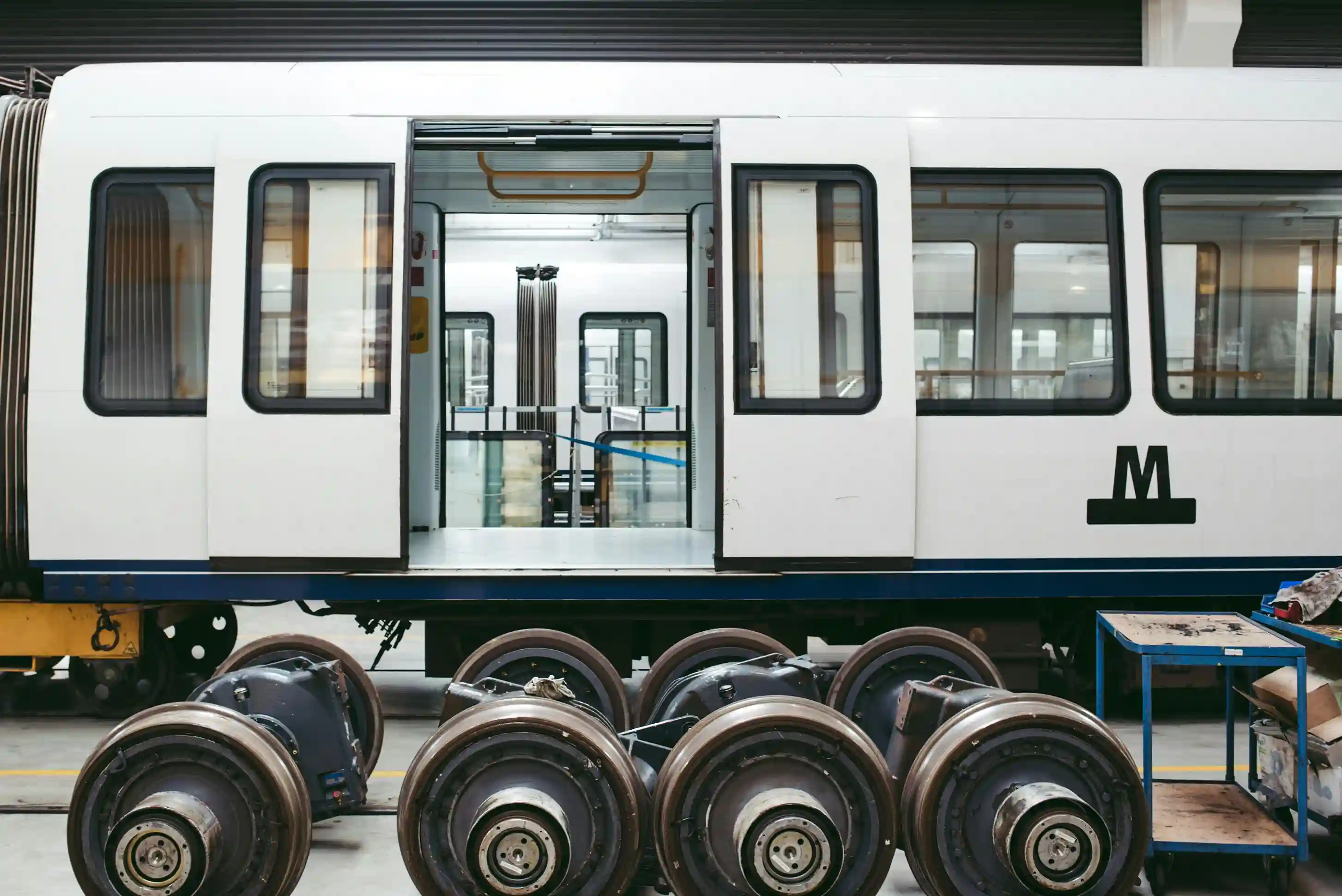
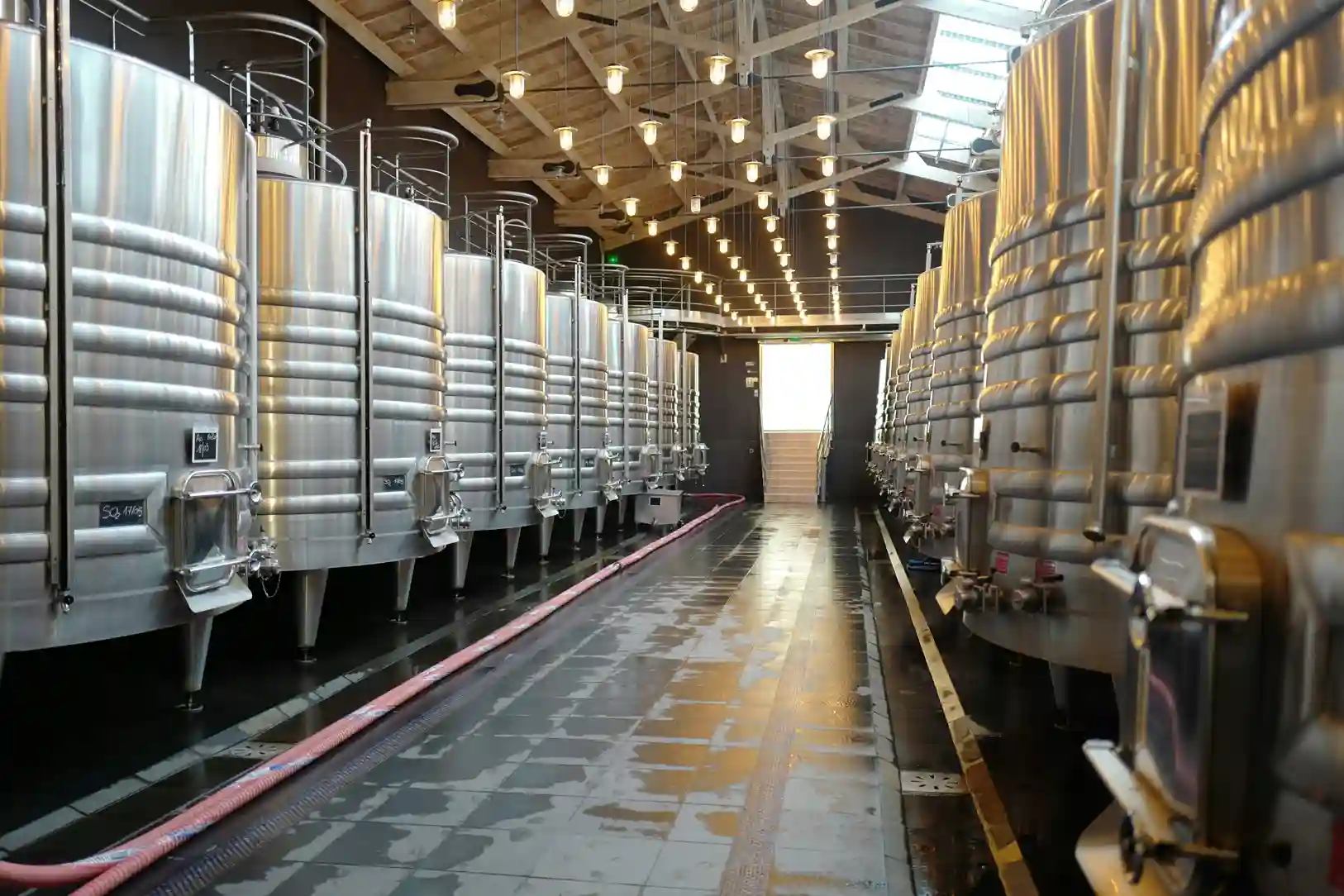
  • Manufacturing: In manufacturing, maintenance tracking software helps teams reduce downtime, streamline workflows, maintain regulatory compliance and support critical maintenance across plants and facilities.
  • Healthcare: In healthcare, maintenance tracking software help regularly service medical equipment so it's safe for patient use.
  • Higher Education: For higher education, maintenance tracking software helps institutions manage campus facilities more efficiently while supporting students, faculty, and staff with a safer, better-maintained environment.
  • Mining: In mining, maintenance tracking software helps organizations centralize information, streamline work orders, optimize maintenance operations, and strengthen compliance in a highly regulated environment.
  • Oil and Gas: In oil and gas, maintenance tracking software helps teams centralize asset data, maintenance workflows, and compliance records.
  • Retail: In retail, maintenance tracking software is especially valuable for multi-site operations that need to automate maintenance workflows, improve asset uptime, manage vendors, and maintain consistent facility standards across locations.
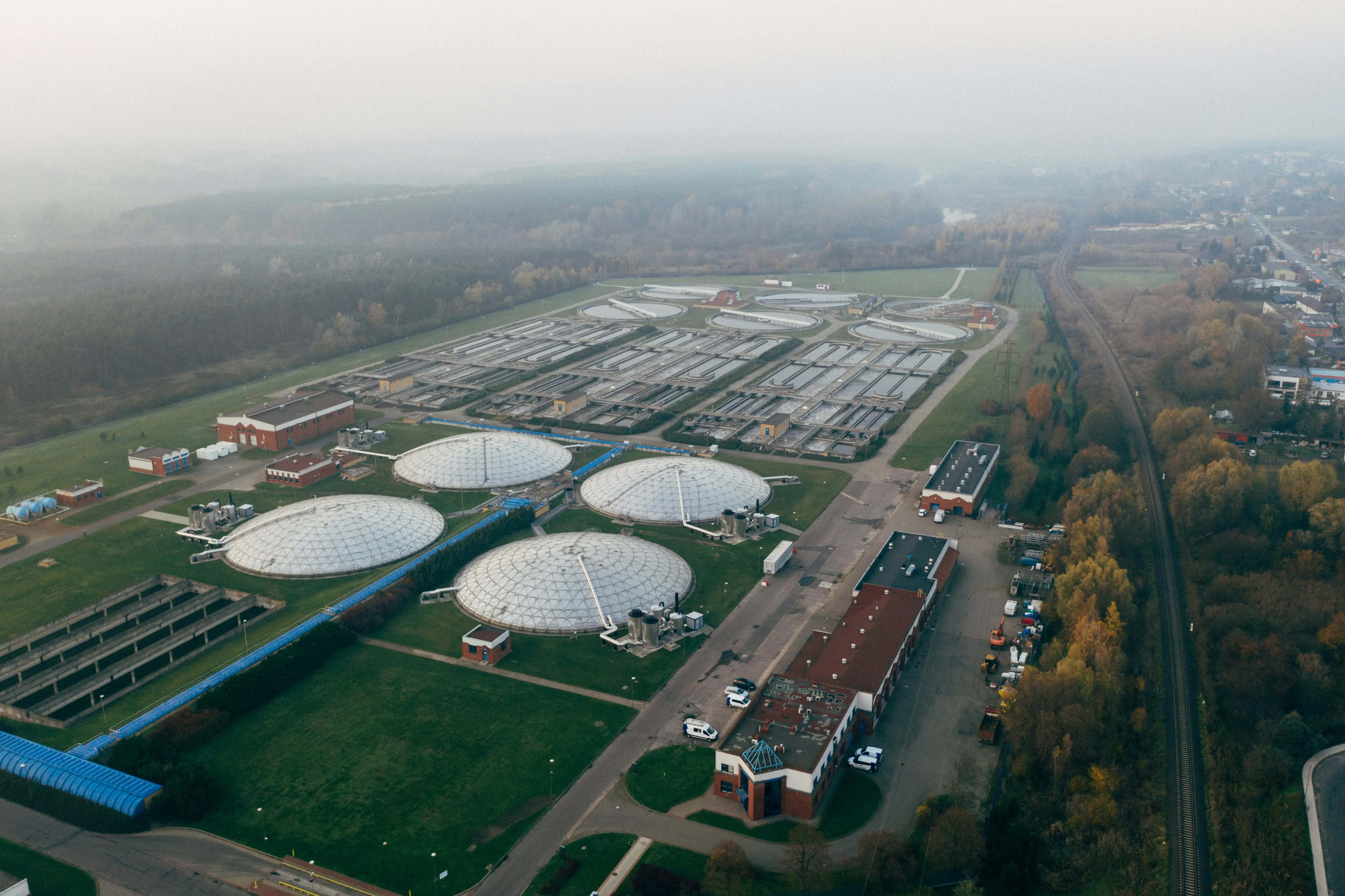
  • Utilities: For utilities, maintenance tracking software helps organizations streamline maintenance, reduce downtime, modernize operations, optimize resource allocation, and support regulatory compliance.

Accruent Maintenance Connection: Transform Your Maintenance Operations

Accruent Maintenance Connection is a leading CMMS solution for maintenance tracking. The software is known for its robust features and user-friendly design. It is designed to streamline maintenance operations and is a top choice for various industries. It supports multiple asset types, from heavy machinery and medical equipment to vehicles and infrastructure. This flexibility makes it ideal for diverse operational environments.

Maintenance Connection helps streamline maintenance operations by automating scheduling, tracking work orders, and managing inventory. These capabilities enhance equipment reliability, reduce downtime, and lower maintenance costs. Moreover, the software helps companies comply with industry standards and regulatory requirements.

Maintenance Tracking Software FAQs

Here are common questions about maintenance tracking software.

How does maintenance tracking software ensure regulatory compliance?

Detailed records of all maintenance activities are essential for audits and inspections. Maintenance tracking software helps organizations comply with industry standards and regulatory requirements by providing comprehensive documentation and reports. This systematic approach ensures that maintenance tasks are accurately recorded and effectively managed. 

Can maintenance tracking software integrate with other systems?

Modern maintenance tracking software can integrate with ERP, inventory management, and other systems. This integration provides a seamless data flow and improved operational coordination, improving the system's function and efficiency.

How does maintenance tracking software contribute to cost savings?

Maintenance tracking software facilitates regular maintenance and prevents significant breakdowns. It optimizes labor and material costs through efficient scheduling, preventing breakdowns. Increased asset longevity reduces the need for frequent replacements and lowers overall maintenance expenses.

  • Share

  • Follow Us
  • Share

  • Follow Us
January 2, 2025